0:08 The first half of my life, it was more driven by ambition and achievement. Copy link
0:15 I didn't know how to have joy. Copy link
0:17 I think I always resisted to be defined by these external definitions Copy link
0:22 or these boxes that the society defines for us. Copy link
0:25 Grip code versus genetic code. Copy link
0:27 We cannot control any of the outcomes. Copy link
0:29 same month that we sold Bina to Roche. This very same month my mom got sick. I care more about that Copy link
0:37 sense of understanding, presence, I care more about connection and joy and art, poetry, dance. Copy link
0:45 Those things are much more alive for me now compared to maybe the first half of my life. Copy link
0:50 First year at Stanford as well people are treating me as a human first not as a woman first. Copy link
0:58 Hello everyone, welcome to the first episode of Del be Del Podcast. Copy link
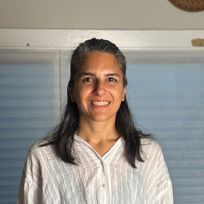
1:01 In this episode I sit down with Narges Baniasadi. Copy link
1:05 She is a scientist and entrepreneur who founded Bino Technology, Copy link
1:09 a bioinformatics company which was later acquired by Roche Copy link
1:15 in which it became one of the biggest acquisitions of the bioinformatics industry. Copy link
1:22 This conversation though is not about the acquisition or the company. Copy link
1:26 It's mostly about the person behind it. Copy link
1:29 We talk about growing up in Iran, leaving home, forming a new life and new identity in the U.S., and following ambitious dreams. Copy link
1:39 We learn how sometimes life can teach us how to slow down and reconsider new paths. Copy link
1:47 Our guest shares how health challenges transform her experience with success, with presence, and the journey itself. Copy link
1:55 We talk about belonging, relationship, purpose and life itself. Copy link
2:00 Whether you're navigating a transition, exploring what's beyond goals and accomplishments and careers Copy link
2:08 or simply trying to find a more meaningful life, I hope you find something of yourself in these conversations. Copy link
2:16 This is my conversation with Narges Baniasadi. Enjoy. Copy link
2:21 hello Narges welcome to Del be Del podcast it's our first episode and one of the main reasons i'm Copy link
2:31 doing this podcast is because of you you inspired me a couple years ago when we met to start this Copy link
2:40 podcast and i'm glad that at this point i have the opportunity to talk to you you know we have hung Copy link
2:49 out in the past and i always wanted to have this heartful and heart-to-heart conversation since the Copy link
2:59 name of the podcast del badel and i'm so grateful that you took this opportunity thank you thank you Copy link
3:05 our boss uh it's a very special opportunity you know to talk about this inner journey and as you Copy link
3:13 that heart-to-heart conversation about our lives. Copy link
3:15 I appreciate it. Copy link
3:17 So every time we hang out, I learn something new about you. Copy link
3:21 And as I was preparing for the interview, I had prepared all this material Copy link
3:28 and we had a dinner to go through what we were going to talk. Copy link
3:31 And I just realized for the first time that you grew up in a prominent family, Copy link
3:38 political family in Iran, which I was not aware. Copy link
3:42 And I figured, let's start the conversation there. Copy link
3:46 How was it to grow up in a political family and then coming back, coming to the U.S. for the first time? Copy link
3:55 But how was that your childhood and growing up in Iran? Copy link
4:00 Yeah, I grew up in a very interesting family. Copy link
4:05 My parents and even grandparents for generations, they have been political activists. Copy link
4:11 and people who fought for bringing democracy and reform, I would say, to Iran, Copy link
4:18 both in the previous regime as well as during this current regime. Copy link
4:22 And they were, you know, my parents were highly educated. Copy link
4:26 They were educated in the West, but they went back to Iran Copy link
4:29 to help building Iran after the revolution. Copy link
4:31 And I think, you know, I grew up in a family with very strong foundations. Copy link
4:36 There were the foundations of faith and the foundations of values that would encourage us to do the right thing Copy link
4:46 and very much encourage us to solve the problems in the society, in the community. Copy link
4:52 Very strong family values, of course, and community values. Copy link
4:57 And, of course, that played a very important role in my upbringing and the values that shaped me. Copy link
5:04 But it was not easy. Copy link
5:06 You know, there was a lot of pressure at times. Copy link
5:08 You know, I remember growing up, Copy link
5:10 many times my parents were imprisoned by the regime Copy link
5:14 or the extremist forces would raid our house Copy link
5:17 or even, you know, if we had a simple vacation, Copy link
5:20 let's say for the new year, Copy link
5:21 we go to north of Iran. Copy link
5:23 We had people we don't know, Copy link
5:26 they would raid our villa, take people away. Copy link
5:30 So there was that sense of maybe lack of safety many times and uncertainty. Copy link
5:39 But inside the home, my parents did a great job in creating a sense of safety and hope and resilience. Copy link
5:48 I remember one of the times my dad was in solitary cells for many, many months. Copy link
5:54 And then he was freed and we had a celebration at our home. Copy link
5:58 And then a lot of friends came over and they asked, Copy link
6:01 how was it? How are you doing? Copy link
6:03 And he was so happy and smiling and said, they're getting better. Copy link
6:07 This time they didn't do as much physical torture. Copy link
6:09 They're getting better. Copy link
6:10 How old were you at the time? Copy link
6:13 Once my dad was gone for about a year, I was nine years old. Copy link
6:17 This second memory, I was in college, about 20 years old. Copy link
6:22 He said that I remember. Copy link
6:24 And I remember we would ask our dad, what is the best day in your life? Copy link
6:29 He would say tomorrow because he was saying we're always progressing. Copy link
6:32 So that was like his attitude of always being hopeful. Copy link
6:36 And yeah, that definitely played a very important role in shaping me. Copy link
6:41 You know, the dinner table conversations usually were about solving global problems. Copy link
6:46 You know, it comes with a cost as well. Copy link
6:51 You know, perhaps we didn't have as much time to spend together as a family or pay attention to joy or having fun, you know. Copy link
7:00 Or my dad usually was absent, you know, in our childhood. Copy link
7:04 You know, he was working until very late hours or he was, you know, in prison as I shared. Copy link
7:09 And I remember he would come home and it's like almost 9, 10 p.m. Copy link
7:14 We already had dinner and my mom would, you know, warm the dinner again for him, hit the dinner again for him. Copy link
7:19 And then he would have the dinner, but always the TV was on, Copy link
7:22 and he had to listen to all the news, political news of the day. Copy link
7:26 And at the same time, I remember his side of my granddad and my uncle, Copy link
7:31 they were there, and they wanted him to help with their problems. Copy link
7:35 So I think our childhood was short, you know, me and my siblings, Copy link
7:40 and we had to grow up quickly and kind of think like adults, Copy link
7:45 maybe too quickly in this world. Copy link
7:49 Yeah. How did that impact your transition to decide to come to the U.S.? Copy link
8:00 Yeah, I think, you know, both my parents, they were educated in West, and my dad had a PhD in Wharton School and went back to Iran. Copy link
8:08 So I think it was kind of in the background that, you know, it's something you go and do to just as a way to pursue education and growth mostly. Copy link
8:18 But at the same time, I was very attached to our family. Copy link
8:22 I had never left Iran, and I didn't want to do that. Copy link
8:28 And my mom, especially, and then my older brother, Copy link
8:34 they really wanted to encourage me to apply. Copy link
8:37 I was a good student. Copy link
8:37 I was doing computer engineering at the University of Tehran. Copy link
8:41 They wanted me to apply abroad for grad school. Copy link
8:46 And I was not sure, you know, and my dad was not as encouraging. Copy link
8:51 He wanted his children to all stay in Iran, be with him. Copy link
8:54 So I decided to stay in Iran initially and do my grad school also in the University of Tehran. Copy link
9:02 But what happened is that I wanted to also work because that's, you know, what people do after grad school. Copy link
9:09 And I went to work in my field, you know, software engineering, computer engineering. Copy link
9:15 But unfortunately, I got fired three times in a row, not one time, three times. Copy link
9:20 And each time was because they would figure out my family background. Copy link
9:26 And, you know, part of the process of, like, staying at the job, I had to prove my loyalty to certain things. Copy link
9:34 And when they would ask, like, has anyone in your family have gone to prison, for example, Copy link
9:39 and they would figure out that there has been this political, maybe, disagreements, Copy link
9:45 they would fire me from work. Copy link
9:46 So after it happened three times, I felt depressed. Copy link
9:53 And I felt encouraged that maybe there's another future waiting for me. Copy link
9:59 And I applied to a bunch of schools. Copy link
10:03 And my brother was in Canada at that time. Copy link
10:06 And I got a good admission to go to University of Canada with fellowship and everything. Copy link
10:10 I was excited to do that. Copy link
10:12 And I didn't even want to apply to Stanford. Copy link
10:18 because Stanford is just such a big name, you know, Copy link
10:20 and I didn't know anyone there, Copy link
10:22 and I had, you know, no idea that they would give me admission, Copy link
10:27 so I didn't want even to apply to Stanford. Copy link
10:30 But my brother pushed me to do that, Copy link
10:33 and, you know, I got the admission, Copy link
10:35 and I had very mixed feelings about it. Copy link
10:38 Like, I was very excited that I got the Stanford admission, Copy link
10:41 but to be honest, I had also the imposter syndrome Copy link
10:44 Also, I was afraid of the very ambitious future, rightfully, you know, that was waiting for me. Copy link
10:55 But I decided to come, yeah. Copy link
11:06 So you came to the U.S., you got admission from one of the best schools in the world. Copy link
11:14 How was that transition for you in terms of identity? Copy link
11:19 Being a woman, being an immigrant, being not only an immigrant, being an Iranian in the U.S., Copy link
11:26 and getting admitted to Stanford, and all the differences. Copy link
11:35 You are at a very young age coming to the U.S., and all these mixed feelings. Copy link
11:42 When I came to the U.S. for the first time, I got depressed. Copy link
11:46 I felt lonely initially. Copy link
11:49 It was the first time away from family. Copy link
11:52 How did that transition go for you and you formed a new identity, perhaps? Copy link
11:58 Yeah, I think it was very liberating. Copy link
12:02 It was very liberating. Copy link
12:03 It was full of freedom and opportunity. Copy link
12:06 Growing up in Iran, as you know, as a woman, there are a lot of limitations that we might not even be aware of. Copy link
12:16 But when we come out, we see the contrast. Copy link
12:19 And I remember I had this realization first year at Stanford that, wow, people are treating me as a human first, not as a woman first. Copy link
12:28 And that was a very big deal for me. Copy link
12:30 The other thing is that growing up in that prominent family, you know, I was under the shadow of the very big names, like who my parents were, my grandfather was. Copy link
12:43 And whatever I would do, I would still be the granddaughter of that person or daughter of that person. Copy link
12:52 And as much as I love all of them, you know, when we are young and we want to find our identity, it would be nice to have a little bit of that space to do that. Copy link
13:03 So I really appreciated that so hugely, so greatly. Copy link
13:08 I mean, I cannot even find words for that. Copy link
13:11 The experience of coming to Stanford, it was 2004, fall of 2004, I was 23 years old. Copy link
13:19 And the very first year I was at Stanford, you know, Steve Jobs gave his famous speech of like stay hungry, stay foolish. Copy link
13:28 And oh, my God, you know, I thought the limit is the sky or there's just so much opportunity. Copy link
13:36 And I really say it's the opportunity as I really decided to make the most out of Stanford experience, especially, you know, as I never prepared for it. Copy link
13:45 Like there are many students that are top of their class, let's say, you know, Copy link
13:48 they're top students in Sharif or go to Olympiad. Copy link
13:52 They plan to end up in places like that. Copy link
13:54 I never planned to end up at Stanford. Copy link
13:57 So for me, I was just extremely grateful. Copy link
14:01 And I would walk this campus. Copy link
14:02 It's such a beautiful campus. Copy link
14:04 And for the first couple of years, I had to really like say, am I awake? Copy link
14:09 Is this real? Copy link
14:10 Am I really here? Copy link
14:11 You know, that was the feeling. Copy link
14:14 And at the same time, there was this feeling of, you know, am I good enough? Copy link
14:20 Can I, you know, accomplish? Can I survive? Copy link
14:22 Like, you know, you have the best of the best from all around the world come there. Copy link
14:26 It's like a lot of competition. Copy link
14:29 And very soon I learned that actually, you know, Copy link
14:32 I got admitted to the Stanford Electrical Engineering Master's Program, Copy link
14:36 and I wanted to convert it to the PhD program. Copy link
14:40 And I learned that the electrical engineering department accepts about 200 students every year, Copy link
14:46 but only about 25% of them actually finish the PhD. Copy link
14:51 So it's kind of a free market competition. Copy link
14:54 You have to find a PhD advisor. Copy link
14:56 You have to find funding. Copy link
14:58 You know, my dad could give me enough money for the first two months I was in this country. Copy link
15:03 But after that, I had to figure out, you know, how to pay the tuition, Copy link
15:07 who will be my PhD sponsor, and so on. Copy link
15:10 And my admission was not even PhD, it was master's. Copy link
15:12 And I had to keep a perfect GPA for four quarters so I can then apply to the PhD again. Copy link
15:20 So, you know, it was not as easy. Copy link
15:24 But I would tell you probably the most supportive environment I experienced when I arrived here was the Persian Student Association. Copy link
15:35 Overall, Stanford, I would say, had a supportive environment. Copy link
15:38 but especially the Persian community on campus as well as around the campus. Copy link
15:42 A lot of successful Iranian people in the Bay Area, Copy link
15:47 they would come to campus and mentor students or would they come and share their journey. Copy link
15:52 And from the very first week I arrived to Stanford, Copy link
15:56 I remember I didn't even have a phone and I needed help. Copy link
16:00 We tried to go get grocery, everything. Copy link
16:04 Like the Iranian students who came there a few years before me, they were there to help me. Copy link
16:09 And they were my family. Copy link
16:10 And, you know, we had our Noruz together, Shabayalda together. Copy link
16:14 We would party every weekend and we would stay awake until 4 a.m. do homework together. Copy link
16:22 And even, you know, I would say my career path and the research path was very much shaped by the advice I got from the senior Iranian students on campus. Copy link
16:34 and what I realized that was like really life-changing and mind-blowing for me was that Copy link
16:43 I don't need to only study electrical engineering. Stanford is very multidisciplinary so I can find a Copy link
16:49 PhD advisor in any other field and again I had not prepared for that and then there was this Copy link
16:57 Iranian researcher at Stanford Genome Center, Dr. Mustafa Ronaghi and one of my friends he took me Copy link
17:04 there and said, Nag is a new student. Copy link
17:07 And Mustafa, why don't you tell her about the opportunities in doing computational biology Copy link
17:13 or bringing electrical engineering and computer science to the field of biology and medicine? Copy link
17:19 And Mustafa went and wrote a bunch of things on a whiteboard. Copy link
17:22 It was just Chinese to me. Copy link
17:23 I don't think I understood anything. Copy link
17:25 But I was sold. Copy link
17:26 I walked out of that meeting. Copy link
17:28 I said, like, I want to do this. Copy link
17:30 And the reason was, I think, two things. Copy link
17:34 One was that how inspiring it was to learn a new field, which was biology, systems, biology, genomics, and kind of the mystery of life. Copy link
17:44 You know, you can decode that, understand how life actually happens and exists. Copy link
17:50 And the second was the positive potential impact of like if we can improve medical understanding, medical knowledge and what we can do with that and have a positive impact in the society. Copy link
18:04 So it was amazing. Copy link
18:06 I'm very grateful that that opportunity opened up for me. Copy link
18:10 And that's what I did for my PhD. Copy link
18:12 So I spent seven years doing research on the intersection of several fields. Copy link
18:19 I have to interrupt you Copy link
18:21 how was that? Copy link
18:22 the switch Copy link
18:24 how was the switch? Copy link
18:26 I wonder Copy link
18:28 it's so different Copy link
18:30 from going from computer science Copy link
18:32 to biology Copy link
18:34 or genomics Copy link
18:36 how were you feeling Copy link
18:38 doing that switch? Copy link
18:40 was there fear there? Copy link
18:41 was there excitement? Copy link
18:43 was there passion? Copy link
18:45 given that this was a Copy link
18:47 complete different field yeah the switch didn't happen overnight yeah so it happened over a period Copy link
18:53 of year I remember I had to find an advisor to support the tuition and I did work for him in the Copy link
19:01 field of it was natural language processing AI you know computation but I wanted to switch to a lab Copy link
19:09 that would do computational biology and I would keep talking to the professors who were doing it Copy link
19:13 and they were saying you have no idea you have no idea you cannot come finally one of them said okay Copy link
19:18 you can work for free you can come to my lab meetings I will not hire you but you're welcome Copy link
19:23 to attend because I was just so persistent so I would do two I would just I would do both work Copy link
19:29 one for free and one was like because it was paying my tuition I remember many days in the Copy link
19:34 second third quarter at Stanford I would see the sunrise when I was leaving lab like 5 a.m. I would Copy link
19:41 go take a two-hour nap and then go to my classes. Copy link
19:45 And after many months of doing that, Copy link
19:47 I finally could make the switch to the computational biology lab, Copy link
19:52 Professor Wing Wong, and he took a chance on me. Copy link
19:56 And he was excited about working with me Copy link
19:59 because I had the electrical engineering background Copy link
20:02 and he had this vision so ahead of his time, Copy link
20:04 you know, 20 years, I would say, ahead of his time, Copy link
20:08 that the hardware, the computational chips, Copy link
20:14 need to evolve to map high-performance computing needs of AI. Copy link
20:18 Yeah. Copy link
20:19 So this is, you know, now more than 20 years later, Copy link
20:22 we are seeing, like, how NVIDIA, you know, with their GPUs, Copy link
20:25 they could optimize it for AI, Copy link
20:27 or, like, we're seeing new chips being designed Copy link
20:30 for high-computation intensive tasks. Copy link
20:34 And Wing Wong, he was a statistician, biostatistician. Copy link
20:38 He had not any engineering background, but he saw that will coming. Copy link
20:42 And he asked me to come and build a new chip to accelerate the computation that was required Copy link
20:50 for modeling signaling pathways in cancer cells. Copy link
20:52 That's a mouthful. Copy link
20:54 So what I needed to do is that I needed to first understand systems biology, Copy link
21:00 which, you know, how proteins, small molecules, DNA, all of that, Copy link
21:03 They talk to each other in the cell, and they basically form all the functions. Copy link
21:07 And when these communication links are broken for any reason, that's when our cells start to misbehave, Copy link
21:14 and they might grow as cancer and so on. Copy link
21:17 So we cannot measure everything. Copy link
21:20 We don't have that visibility. Copy link
21:21 So we can measure some stuff, freeze the time and measure some stuff. Copy link
21:25 So then is the computational part. Copy link
21:27 So we need to build algorithms, probabilistic models that can guess what is the most probabilistic causal links between all of these things that we think exist in the cell. Copy link
21:39 So I had to learn a lot of statistics and AI. Copy link
21:41 And then we had to not only write a software, but actually we had to implement this on a hardware level. Copy link
21:49 So I designed a hardware circuitry that was like 100 times faster than Intel CPU to do this modeling work. Copy link
21:59 And yeah, based on our work, we got a $7.5 million grant from National Cancer Institute to grow it. Copy link
22:06 This whole journey, you know, you said how it felt being between different fields. Copy link
22:11 On one hand, you know, it's very inspiring because you always learn. Copy link
22:15 You know, there's so much to learn in each of them. Copy link
22:18 At the same time, it feels uncomfortable because I felt I'm not the expert in any of these fields. Copy link
22:25 So that imposter syndrome, I think, continued. Copy link
22:30 But something interesting happened. Copy link
22:32 So in 2008, we got this grant. Copy link
22:36 He had a $7.5 billion. Copy link
22:38 It was a big deal. Copy link
22:39 And the PI of the project, Gary Nolan, he called for a meeting and he asked all the PIs, all the students involved, everyone. Copy link
22:46 we were sitting around a big table and he said okay we got the money it's exciting we have a few Copy link
22:51 years of like building this growing this you know and then he looked at me and said Narges when are Copy link
22:56 you graduating and I thought like I should graduate that year you know I had finished the work and I Copy link
23:01 said like now or this year he said oh can you stay two more years because we just got the money Copy link
23:07 and that was like wow it was really a compelling moment for me that I looked around and there were Copy link
23:14 all these PhD postdocs, scholars, professors from statistics department, electrical engineering, Copy link
23:20 the high performance computing lab from Berkeley, the medical school of Stanford. Copy link
23:24 And they asked me to stay and lead this. Copy link
23:28 Why? Copy link
23:29 And I realized what has happened is that I've become a bridge or a translator between all Copy link
23:35 these different fields. Copy link
23:36 And that's a very valuable thing because many people, you know, they go very deep in certain Copy link
23:41 area. Copy link
23:43 but they cannot translate to the other areas necessarily. Copy link
23:49 So that, I think, was a great learning for me, Copy link
23:55 that this is very valuable to be able to bridge different disciplines. Copy link
24:01 And that became actually the inspiration to launch my company later as well. Copy link
24:15 you you started a company right after your phd that that is not a typical choice a lot of us Copy link
24:23 getting our phd in grad school we find jobs in the industry or maybe do a postdoc in academia Copy link
24:30 what prompted you to start a company given that it's a risky route especially for immigrants Copy link
24:39 you know immigrants typically value stability and we are not risk takers and by we I mean Copy link
24:46 the majority of people yeah what was the motivation for you to start your own company right after PhD Copy link
24:55 Yeah, I think a lot of it was to be at Stanford and Silicon Valley because the environment is very much encouraging of innovation and entrepreneurship. Copy link
25:06 I think even more than that, it feels like to be successful, like at Stanford, you have to start a company. Copy link
25:13 So it's kind of that unspoken understanding that, and I was ambitious. Copy link
25:20 And I think I have always been interested in leadership. Copy link
25:24 You know, when I was in even like school, I would gather students to do something together. Copy link
25:29 When I was at Stanford, I was also for a while president of the Persian Student Association. Copy link
25:35 And I started also the PSA Business Associates. Copy link
25:39 That was the idea of bringing business leaders and connect them to students for mentorship. Copy link
25:44 So gradually, I got connected to this entrepreneurship ecosystem and also the Iranians who started Copy link
25:52 companies and they were successful in the Bay Area. Copy link
25:55 So the role models played a very important role and that inspiration. Copy link
26:00 And I remember there was one entrepreneurship class back then at Stanford. Copy link
26:05 Now there are like 50 of them. Copy link
26:06 There was one entrepreneurship class in the business school. Copy link
26:09 And I took that program, the one-month program in summer of 2009. Copy link
26:14 and um I was this is another thing that I never planned for I never planned for being an Copy link
26:21 entrepreneur but I was just getting a little bit inspired by it and I took that class and Copy link
26:27 I was not confident I was not even I was so shy to even bring my idea forward and we worked on a Copy link
26:34 idea of someone else in that class but halfway through the class we had to present it to a panel Copy link
26:39 of judges and the judges said no no this horrible idea so we were forced like we went to the white Copy link
26:45 board and we had two weeks to figure out what to do and we didn't have any idea so out of really Copy link
26:50 desperation I said guys I have an idea but I know it's horrible and it's very bad but what about Copy link
26:56 this idea and then these students I said no this is actually really cool let's work on it so just Copy link
27:01 in a matter of two weeks we pulled together a business model you know a concept a powerpoint Copy link
27:07 slide deck and we presented to a panel of judges many of them were like prominent vcs in silicon Copy link
27:13 valley and they said okay we don't understand it much very technical because it was the idea Copy link
27:18 related to my phd thesis but there's something there and just the fact of you know putting that Copy link
27:23 idea together and presenting in front of other people gave me so much encouragement it was like Copy link
27:29 a huge leap huge leap for me and after that i went to my phd advisor and i told him you know i know Copy link
27:37 student that you advised went to academia and uh i know that's a very respectable path and you might Copy link
27:46 feel you know bad about it and you know embarrassed that i don't follow that path as your phd student Copy link
27:53 phd advisor feel betrayed yeah you might not be trained but if i may there might be this opportunity Copy link
28:02 to turn our research to a company. Copy link
28:05 And that was such a big, like, you know, like, PhD advisors, Copy link
28:08 like your father figure, yeah? Copy link
28:10 Like, I was just so nervous. Copy link
28:12 Like, he would judge me, he would be ashamed of me. Copy link
28:14 And completely the opposite. Copy link
28:16 He got so happy. Copy link
28:18 He said, Narges, I never had the courage to do that. Copy link
28:22 This is a very risky path. Copy link
28:23 I never had a student who had the courage to do that. Copy link
28:26 But if you want to do that, I will support you full-heartedly. Copy link
28:30 And that was a turning point because I was a nobody in Silicon Valley, Copy link
28:35 but my advisor was a quite established researcher. Copy link
28:39 And he put his name behind this, Copy link
28:42 and he helped me build our initial team of scientists and engineers. Copy link
28:48 And two other faculty also joined. Copy link
28:50 One was Gary Nolan in medical school, the other John Wozniak in UC Berkeley. Copy link
28:55 So I started a company with these three very prominent professors. Copy link
28:59 They didn't do the legwork of the company, but just they lended their credibility. Copy link
29:04 And it took us, you know, like 18 months or two years after that to really figure out what we want to do. Copy link
29:11 And, you know, I raised the initial seed round from investors and launched the company officially in spring of 2011. Copy link
29:19 And my very first check came from some of the Iranian investors. Copy link
29:22 And my very first hire was an Iranian engineer out of Google. Copy link
29:27 So again, I think the community was very supportive in launching BINA. Copy link
29:32 And I decided to call it BINA. Copy link
29:34 Our work, you know, the goal of the company was to bring insight and understanding of the genomics data. Copy link
29:41 And BINA also, you know, the letters B-I-N-A was in the word bioinformatics. Copy link
29:46 And in Persian and also interestingly in Hebrew, BINA has the same meaning of insight and wisdom. Copy link
29:54 So that's why we decided to go with that name. Copy link
29:58 The tagline, the motto of the company was Code to Cure, Copy link
30:02 which had two meanings. Copy link
30:04 One was the DNA can hold the code to cure, Copy link
30:07 and the other was an invitation to the software engineers Copy link
30:10 and computer scientists to come and code for Cure, Copy link
30:12 rather than back then people would go mostly to gaming companies Copy link
30:16 or later, I don't know, internet, social media companies. Copy link
30:19 And yeah, that's how we started it. Copy link
30:22 I think the inspiration at Stanford played a role with my tendency of being ambitious and want to lead. Copy link
30:30 But also, I would say learning. Copy link
30:32 You know, I felt, okay, I learned how it is to be in academia. Copy link
30:35 And also, I did some internship in big companies during my time at Stanford. Copy link
30:40 So I had a feeling of how it is to be in a big company. Copy link
30:45 And I thought probably starting a company would be a next level of learning. Copy link
30:50 because basically I had no clue how to build an organization or company. Copy link
30:55 I had to learn everything on the job, you know, from how to build a team, Copy link
30:59 how to be a product manager, how to raise money, Copy link
31:01 how to figure out the operations and HR, everything, you know, Copy link
31:05 and then how to sell. Copy link
31:06 And our customers were very big enterprises. Copy link
31:09 You know, we were building this software, hardware solution to analyze DNA data, Copy link
31:14 and the customers were really big research centers in academia Copy link
31:18 and pharmaceutical and diagnostic companies. Copy link
31:21 So selling to those very sophisticated organizations also was not easy. Copy link
31:26 And, you know, sometimes they say naivete or ignorance is a blessing. Copy link
31:31 Ignorance is a blessing. Copy link
31:32 And I think that was definitely the case for me and our team. Copy link
31:35 We were very young. Copy link
31:37 I would say almost everyone at Bina team, in the initial team, Copy link
31:42 They were fresh graduates and with very little or zero work experience. Copy link
31:50 But that confidence that we're going to solve it. Copy link
31:54 And we managed to hire amazing talent across several disciplines, computer, biology, statistics. Copy link
32:01 In fact, in the four years that we were running the company, we published several major publications, including in Nature. Copy link
32:08 it shows the kind of level of the competence of the technical and science team. Copy link
32:14 And this was your first, I mean, you were effectively the CEO of the company. Copy link
32:19 Yes. Copy link
32:19 And this was the first time you're hiring people, being in the leadership role. Copy link
32:26 How was that for you? Copy link
32:29 How was the learning curve? Copy link
32:30 I'm curious, becoming a PhD student, becoming a CEO of a company with, you know, plus 20 people employed? Copy link
32:38 Yes, we started with maybe five. Copy link
32:40 Then we grew to 25 before we sell it in December of 2014. Copy link
32:45 Well, quite intense. Copy link
32:48 I remember the very first day of BINA was April, maybe 2011. Copy link
32:52 And I had two interns from UC Berkeley going to show up. Copy link
32:56 And I was so nervous. Copy link
32:58 And I prepared a presentation for them. Copy link
33:01 And poor people, I were talking to them from 9 a.m. to 2 p.m., Copy link
33:06 trying to explain to them what we were doing. Copy link
33:09 and I think they got it for sure. Copy link
33:12 But, you know, we learned things through practice Copy link
33:16 and I had good mentors, you know, our investors and advisors Copy link
33:21 and then the employees, you know, Copy link
33:22 I would learn a lot from each of the employees in their field. Copy link
33:25 And when we raised our Series A, which I think was 2012, Copy link
33:30 then I could hire a couple of senior people Copy link
33:33 on both the sales and marketing, Copy link
33:35 as well as the engineering and bioinformatics. Copy link
33:38 And they had more work experience. Copy link
33:40 So I could learn from them as well. Copy link
33:42 But it was not easy. Copy link
33:43 You know, there has been times that my employees and my board members, Copy link
33:49 they would undermine me. Copy link
33:51 And they would question me in not very, you know, constructive ways, I would say. Copy link
33:59 And I had to put up with it. Copy link
34:01 I put up with so many things because I think as an immigrant and as a woman, Copy link
34:06 That is a skill that we get good at that don't pick up every fight. Copy link
34:11 And I was very laser focused at my goal. Copy link
34:14 You know, they say in car racing, they say, if you look at the wall, you're going to hit the wall. Copy link
34:20 So all of those things I felt are distractions. Copy link
34:23 And I was just focused to make the company successful. Copy link
34:27 I was also very afraid to fail. Copy link
34:28 I was very afraid to fail because I had never kind of had a big failure until then. Copy link
34:33 And, you know, I had that feeling of responsibility of people have given me money or, you know, are working here. Copy link
34:41 And I was working intense hours, intense hours, you know, like really in that three, four years I built a company. Copy link
34:47 I don't think I took a vacation or like, you know, I had really weekends. Copy link
34:54 Yeah, that's the thing. Copy link
34:56 I mean, from the beginning to the time that, and we can talk about that, that it got acquired, it took four years. Copy link
35:04 this is pretty fast for a startup to be established and then getting acquired Copy link
35:11 what was the story for getting acquired which company was it how was the process was it stressful Copy link
35:20 yeah that was also something I didn't plan for I was just focused on making the company successful Copy link
35:27 and you know I had this vision of keep growing the product features capabilities and so on Copy link
35:33 But as you know, it takes startups a while until they can become financially sustainable. Copy link
35:40 And we had raised money from investors. Copy link
35:42 And very soon, I learned the investors have one goal, and that is to sell the company and have an exit and make their money back. Copy link
35:51 So really, two years into the journey, the pressure started that they wanted to see fast revenue growth. Copy link
35:59 They wanted to see buyers and so on. Copy link
36:03 it was, you know, we didn't have a lot of cash in the bank in 2014. Copy link
36:08 I had to go out and raise more money. Copy link
36:11 And it was not an easy climate for raising money that time. Copy link
36:16 And I remember I was in a conference presenting about our technology Copy link
36:22 and Craig Venter, who is a very prominent scientist in the field, Copy link
36:27 he came to me and said, oh, this is too good to be true. Copy link
36:31 I said, no, we actually have built this. Copy link
36:33 He said, look, I want to see it, if that's true. Copy link
36:35 So I was just so excited. Copy link
36:37 We're running out of money almost. Copy link
36:39 So I flew the team to San Diego. Copy link
36:42 And we had a meeting. Copy link
36:45 I had even like Wing Wong, my PhD advisor. Copy link
36:47 He came. Copy link
36:47 He was so supportive. Copy link
36:48 He came with me. Copy link
36:49 We went to San Diego and presented to Craig Venter and his team. Copy link
36:54 And he saw all the team, all the products. Copy link
36:56 And after that, he told me, you know, can I have a one-on-one with you? Copy link
36:59 I said, sure. Copy link
37:00 He said, I love the product. Copy link
37:01 but I love the team more I want to buy you guys and he put a price tag I said like I want and it Copy link
37:06 was an amazing price tag and uh I remember I I was like on a right to go back to the airport I Copy link
37:14 called my board and I said we have an amazing offer it's Craig Venter and let's let's sell Copy link
37:19 the company and then they said oh so that's great but we will not sell that quickly if that's so Copy link
37:26 good. We should see who else out there. So long story short, like in a matter of few weeks, Copy link
37:32 the world got out there and like Google wanted to buy us, you know, several other companies. But Copy link
37:37 we decided to go with Roche and Roche is, you know, one of the most prominent biopharma companies Copy link
37:43 in the world. They have a diagnostic division, a pharma division. And they say in the startup Copy link
37:49 journey, sometimes timing is everything, you know, and the timing was amazing. So Roche in 2014 Copy link
37:55 decided to build a new DNA sequencing business unit through acquisition. Copy link
37:59 So they went on this buying spree and spent like a billion dollar buying companies Copy link
38:04 to form the whole value chain, end-to-end value chain of clinical DNA sequencing Copy link
38:09 from hardware, software, chemistry, the assays. Copy link
38:12 And their vision was to integrate all of that to create a clinical version of DNA sequencing Copy link
38:18 that's like push button, end-to-end, you put, say, saliva or drop of blood Copy link
38:24 and you get a report out that like what's going on in the DNA of the sample. Copy link
38:29 And that was a very, very ambitious vision. Copy link
38:32 Yeah. Copy link
38:32 So when we were in 2014, DNA sequencing was a research tool and very fragmented. Copy link
38:38 So many open source tools. Copy link
38:39 And one lab was doing the chemistry. Copy link
38:42 One was doing the hardware. Copy link
38:43 It was kind of you have to stitch everything. Copy link
38:45 And it was not clinical. Copy link
38:49 So that vision was really compelling. Copy link
38:52 And the fact that they decided to buy Bina to become the software pillar of this end-to-end solution. Copy link
38:58 And that was something, you know, was not even in our dreams. Copy link
39:03 Like, we were extremely excited about that possibility. Copy link
39:07 And I had meetings with executives of Roche and everything they said was like music in our ears Copy link
39:12 because they cared about patients and they cared about customers Copy link
39:15 versus some technology companies that might have bought us. Copy link
39:18 They cared about the technology piece. Copy link
39:20 like they wanted to buy solutions on their cloud or like sell more hardware. Copy link
39:24 But for Roche, it was all about the patient impact. Copy link
39:27 So, yeah, so we sold the company in December 2016, Copy link
39:32 actually on my birthday, interestingly. Copy link
39:34 It was my birthday. Copy link
39:35 It was a good gift from the universe. Copy link
39:39 Truly, yes. Copy link
39:40 Yeah, yeah, to Roche. Copy link
39:42 And I became vice president of informatics for Roche sequencing business unit. Copy link
39:49 And our team became software pillar of the whole division. Copy link
39:52 You know, folks that joined me, when they joined me, they were fresh college students. Copy link
39:57 They became directors, senior director levels. Copy link
40:00 Like our office manager, she became director of HR. Copy link
40:03 Like everyone had a huge growth as part of this journey. Copy link
40:07 And yeah, we are very grateful that this happened for the company. Copy link
40:14 So you moved basically from a startup environment to truly corporate environment after Bina was acquired by Roach. Copy link
40:26 How was this transition? Copy link
40:28 The theme is for me, like knowing you and seeing your life is transitions. Copy link
40:33 And I think this is a transition in terms of being in a smaller company and then getting introduced to corporate world all of a sudden. Copy link
40:44 all these new responsibilities like more policies more regulations how was that transition for you Copy link
40:53 yeah it was a very very big transition a huge change I think maybe similar to the previous Copy link
41:00 transitions the the commonality was learning and growth in a way so I had to learn a lot of new Copy link
41:09 things, how to operate in a global 100,000 people, corporations, and then integrate our Copy link
41:19 business to keep our innovative, agile culture of a startup, while we also basically integrate Copy link
41:28 and align with the goal of the bigger organization, which is not easy. Copy link
41:33 And I was kind of the bridge between these two words. Copy link
41:36 And I had to speak the both language again. Copy link
41:39 a startup language as well as a corporate language and was not easy at all. The part that, you know, Copy link
41:46 took me a few years to learn was that in the startup, the leadership is kind of top down, Copy link
41:54 like the founder has a vision and then they want to manifest that vision and people join them and Copy link
42:00 founders involved in most of the decisions and, you know, there's this sense of urgency Copy link
42:06 and the timelines are short. Copy link
42:09 But in a company like Roche, Copy link
42:11 which has been around more than 100 years, Copy link
42:13 the timeline is very different. Copy link
42:16 And decisions are not at all made by any person. Copy link
42:19 Decisions are made in committees Copy link
42:22 and committees of committees. Copy link
42:25 And very much influenced by the needs of market, Copy link
42:29 but also the long-term strategy of the organization. Copy link
42:33 And so the level of influence of one person is not as much. Copy link
42:39 And the other difference is that to thrive in a corporate environment, especially in the leadership level, like vice president level and up, it's so much about building the relationships with the peers, not necessarily with your boss or employees, which is the case in a small company. Copy link
42:58 It's more vertical relationships. Copy link
43:00 In big corporate, it's more horizontal relationships that matter. Copy link
43:04 because to get anything done, Copy link
43:06 you need all these different functions to work together Copy link
43:08 from the sales and marketing, product management. Copy link
43:11 And I was leading a life cycle Copy link
43:13 in the terminology of roach, Copy link
43:14 means like I was responsible for the software products, Copy link
43:18 but I didn't have all the functions to build it. Copy link
43:20 So I had to work with all these different groups and teams. Copy link
43:23 So it's very important to build those relationships. Copy link
43:26 And that was not my strongest suit. Copy link
43:28 My strongest suit was to figure out something Copy link
43:30 and then go do it, Copy link
43:31 which actually gets sometimes punished in the corporate. Copy link
43:35 What is really rewarded is maybe being very diplomatic, you know, with those relationships. Copy link
43:44 And it was hard for me to see that. Copy link
43:48 And I was impatient with the pace of change. Copy link
43:53 And I tried to advocate for some new ideas towards finishing my time at Roche. Copy link
43:59 But I felt there are so many barriers and I felt there was that glass ceiling because I looked up and people who were more senior than me, they have been there for many decades or they were older than me, a couple of decades or most of them were white male people. Copy link
44:18 So, yeah, so then the day that my commitment ended, so when I sold the company, I had this commitment to stay for three years, to build a team, to grow the company. Copy link
44:28 and the day it ended I resigned so I didn't even stay a day longer because I wanted the message to Copy link
44:34 be communicated that you know it's a time for me to leave and go back to my roots which is the Copy link
44:41 innovation so I'm very thankful for the experience and learning at the same time it was a little bit Copy link
44:46 of self-awareness of like where are my strengths and my ambitions yeah so when Bina was acquired by Copy link
44:57 by Roche there was also some personal transitions in your life I think we talked about it a few years Copy link
45:07 back when we met for the first time your your mom got some health issues and this was at a time Copy link
45:17 happening that you were so involved with Roche and all of those responsibilities and your mom Copy link
45:24 was also away and she could come back here being with you how how was that journey Copy link
45:33 how was that journey for you yeah it was very intense and difficult time in my life Copy link
45:42 you know strangely the very same months that we sold Bina to Roche that one might think it's a Copy link
45:50 time that you can I could maybe relax and you know after all those few years of intensity slow down Copy link
45:57 this very same month my mom got sick and in a few weeks she got diagnosed with stage four cancer Copy link
46:06 with with you know very poor prognosis and Copy link
46:11 it was extremely shocking I think I had not dealt with loss and such a you know shocking Copy link
46:20 news in in that close proximity and my mom was in Iran when she got diagnosed and it was very Copy link
46:29 clear to me that I had to do everything I can to help her and I thought if she comes here she we Copy link
46:35 might have access to more advanced care because there was no cure for stage four triple negative Copy link
46:41 breast cancer in Iran. There was no cure here as well, but I thought there were at least maybe some Copy link
46:47 research going on, clinical trials and so on. And as you know, it's not easy to get a U.S. visa Copy link
46:53 even, you know, a tourist visa. So this whole process of figuring out how to bring my parents Copy link
47:00 here and then my siblings also moved they were in Canada back then my sister and my brother and Copy link
47:07 their families they all moved here and it was coincident with the time that I was also building Copy link
47:15 my team at Roche so all you know my weekends and evenings I was trying to help family and support Copy link
47:22 the family in many different ways including the medical kind of solutions and then during the day Copy link
47:30 I was working the corporate job and flying globally and going to the headquarters and all of that. Copy link
47:36 And it was very, very difficult to see my mom suffering, to see everyone's pain through this journey. Copy link
47:44 There was so much love, you know, so much our family came together and we had so many good friends and supportive community in the Bay Area. Copy link
47:53 And there were some good moments, you know, for a while we tried immunotherapy and it worked for her. Copy link
47:59 And, you know, my mom, she was so full of life and, like, hope always. Copy link
48:06 And even in that about, you know, a year and a half that she was going under the treatment here, Copy link
48:13 she picked up painting and she painted some amazing work. Copy link
48:18 And she started a book club and she made so many new friends. Copy link
48:25 And so it's just very hard to see someone that has so much just for life and hope to have so little hope that she might actually be able to survive that illness. Copy link
48:43 And we did everything we could. Copy link
48:45 We even tried several clinical trials, but they didn't work. Copy link
48:51 And in February 2017, we lost our mom in Stanford Hospital. Copy link
48:57 And we were all together, you know, all our family and some of my uncles and cousins. Copy link
49:04 And interestingly, there were two Iranian women physicians without, you know, our planning that were assigned to us that day at Stanford. Copy link
49:15 And one of them was the oncologist. Copy link
49:17 The other was just, I think, the head nurse in charge. Copy link
49:21 and like the room was just I think full of maybe 20 people the moment that my mom so left her body Copy link
49:29 and we were all praying together and crying and yes it was very difficult moment Copy link
49:38 and it was also coincident with the time that we got the new trans administration in the country so Copy link
49:46 So Trump got elected a month before that. Copy link
49:50 And as you remember, the first thing he did was to put a travel ban. Copy link
49:56 So my older sister who lived in Iran, she wanted to come and see my mom. Copy link
50:00 And we got lucky that she could get visa. Copy link
50:02 And she entered the U.S. one day before the travel ban goes into effect. Copy link
50:07 Oh, my God. Copy link
50:09 Yes. Copy link
50:09 And then she could be with my mom the last three weeks of her life. Copy link
50:13 And then, you know, we had her with us on the funeral. Copy link
50:18 So, yes, it was a very intense and painful time. Copy link
50:23 And at the same time, it was a transformational time to be with family again. Copy link
50:28 Because as we shared, you know, like I left the family. Copy link
50:31 I was on my own for all these years of the grad school and then building Bina. Copy link
50:35 And there was this feeling of going back to the roots, you know, Copy link
50:38 to have my parents here again and all the family and see the kind of the community and the values in the community. Copy link
50:48 And also seeing my mom, you know, I think when I grew up, my role model was mostly my dad. Copy link
50:57 Part of it is that, you know, I think for women in my generation, Copy link
51:01 we didn't have many good role models in women who have been successful in their work or outside home. Copy link
51:10 And my dad, he was doing a lot of things in the community with his work. Copy link
51:17 And I remember when we had family gatherings in Iran, Copy link
51:21 men would get together and talk about politics or, I don't know, interesting stuff. Copy link
51:25 And women usually, I don't know, they would go to the kitchen and prepare the meal. Copy link
51:30 And I would usually sit with men because I found it more interesting. Copy link
51:35 And so I think I was thinking of my dad as my role model most of my life. Copy link
51:40 And when I lost my mom, you know, I realized that, wow, she was a big deal. Copy link
51:48 Like, it was like the soul that she carried, you know, how she fought with a lot of challenges, Copy link
51:55 especially growing up in a political family when both her dad and her husband and her brother many times were jailed. Copy link
52:02 And taking care of all of us, you know, four kids, Copy link
52:07 and keeping that charm and spirit of positivity through all of that was very important. Copy link
52:15 And at the same time, I saw she had so many talents like, you know, music, dancing, art, Copy link
52:20 that never had a chance to flourish, maybe in the more traditional society that we grew up in. Copy link
52:27 And I remember the day that we had her funeral, many of her friends had showed up, Copy link
52:35 and they would hug me. Copy link
52:36 And I had this feeling that she has transitioned to the hearts of the people that loved her, Copy link
52:43 and she impacted. Copy link
52:44 somehow I felt kind of the torch was passed on to me and maybe my siblings of carrying that spirit Copy link
52:54 forward and that was very transformational I think for me maybe was a point in time that Copy link
53:01 I started to actually pay attention maybe for the first time to my femininity and the feminine energy Copy link
53:08 and I realized how I have been completely neglectful of it or oppressing it growing up in very male Copy link
53:16 dominated culture and work in a very male dominated environment in Silicon Valley so Copy link
53:24 I think my mom even with her illness and death she brought us together she taught us new lessons Copy link
53:33 and yeah it was both very difficult and a meaningful part of my my life how did Copy link
53:45 the relationship between you and your mom changed as you know you face this Copy link
53:51 difficulty and basically facing the fact that she might be gone very soon and Copy link
53:58 there is this finite time that you can spend together we all have you know sometimes difficult Copy link
54:05 relationship with parents and sometimes good relationships and given that the time was finite Copy link
54:12 how did that shape the relationship between you and your mom those last years yeah so I was I think Copy link
54:20 in my early 30s yeah when all of those things happened um my mom you know really sacrificed so Copy link
54:27 much for us and it's not easy for a parent to encourage their kids to leave the country, Copy link
54:34 leave the home, especially in this situation that they know is single visa entry, a single Copy link
54:40 entry visa and they might not be able to visit them as often. Copy link
54:45 It takes, I think, a very high level of personal growth and development to prioritize, you Copy link
54:52 know your next generation and she grew up in a generation that she saw women don't have much Copy link
55:00 independence and she wanted to make sure me and my sisters we become financially independent we Copy link
55:09 contribute to the society before we even think of marriage and she thought if we you know go abroad Copy link
55:17 and pursue the studies that would help us be independent and learn about the world Copy link
55:22 and grow. So, yes, it's unfortunate that I couldn't spend much time with her, you know, Copy link
55:28 in my 20s because I left Iran, but it was a sacrifice, you know, from both of us, perhaps. Copy link
55:36 And during the time that she was sick, you know, in our culture, we don't talk much about this Copy link
55:44 and these things. And also my mom never actually, I think, completely knew that, you know, there's Copy link
55:50 this prognosis that she has this number of months because she wanted to stay very hopeful. Copy link
55:55 She wouldn't ask for this type of medical details. Copy link
56:00 But towards the end, I think she was very sad but also had this form of acceptance. Copy link
56:05 And the last two weeks we were in hospital, you know, she got admitted to the hospital. Copy link
56:11 And it was, I think, five days before her passing that her doctor came to me and my siblings Copy link
56:18 and said, you have only a few days and your mom might be unconscious very soon, Copy link
56:24 so you should go and say your goodbyes. Copy link
56:27 And that's very uncomfortable in our culture. Copy link
56:29 You know, we don't do that. Copy link
56:30 But he said, he shared his own story that he had a chance to say goodbye to his dad Copy link
56:36 and he didn't and he regrets it for the rest of his life. Copy link
56:39 So he wants us, he encouraged us to do that. Copy link
56:42 So I remember I went to my mom, I think me and my younger sister, Copy link
56:46 we went there together and we thanked her for many things and we told her we'll be fine if she Copy link
56:53 has to go we'll be fine and she listened to all of it and she encouraged us and Copy link
57:03 yeah she was very peaceful and accepting towards the end and the last thing she said she i think Copy link
57:12 she said it to my dad about 24 hours before she passed away my dad said how are you doing and Copy link
57:18 she said alhamdulillah means like thanks god that was the last thing she said and after that she Copy link
57:23 didn't speak yeah so after you you finish your contract with Roche at the end of three years Copy link
57:38 not even one day more um you you quit and you started a different journey a new journey and Copy link
57:48 you know when we met two years ago that was one of the points that was so interesting to me because Copy link
57:54 the the path for entrepreneurs uh is okay i'm this is the path i know this is the path i'm Copy link
58:02 comfortable this is the path i'm good at i'm gonna go build the next big thing and there's part of it Copy link
58:09 that is comfortable and there's another part that it's the ego likes it you know just to be the Copy link
58:15 person that everybody look up into and then you you know a founder or entrepreneur would be the Copy link
58:21 center of attention and then definitely it's the fact that people would make impact as well Copy link
58:28 right there are different ways to look at it um you chose a not so conventional path of like Copy link
58:36 okay I'm done with this phase and you transition to do something else right you traveled for a while Copy link
58:44 you explored other things um tell me more about that journey Copy link
58:49 yeah I think by now it's clear that I never pursued comfort in life and I think for me Copy link
58:57 the inspiration usually came from learning, growth, and impact. Yeah, so those were the drivers. Copy link
59:07 And this is, you know, I left Roche in winter of 2018. And at that point, I would say, Copy link
59:18 besides the personal loss that I had, that kind of was shaking me and inviting me to think deeper Copy link
59:26 about my life and connecting back to the roots, there were big things that happened in the Copy link
59:33 society. Copy link
59:34 We got the tech companies, for example, were not the same tech companies that I knew of Copy link
59:41 when I started my journey in 2004 in Silicon Valley. Copy link
59:44 So I had this illusionment on Silicon Valley and technology. Copy link
59:49 We saw that, for example, social media with misinformation campaign had an impact on the election results. Copy link
59:58 And the whole Trump election was shocking to me and many of the immigrants because of all those anti-immigrant rhetorics and many other things, Copy link
1:00:10 which invited me to think more deeply to understand what is happening on the societal level. Copy link
1:00:18 And at the same time, you know, I went through this path of being an entrepreneur, being a scientist, founder, you know, CEO, executive. Copy link
1:00:26 And it's right, you know, the first time is so hard and everyone tells you, OK, the second time would be easier. Copy link
1:00:33 But I saw a lot of ways that the entrepreneurship system is also broken. Copy link
1:00:39 For example, the pressure on the founders to sell their company quickly or to raise a lot of money. Copy link
1:00:45 And when I was at Roche, I would see that the top priorities is usually to solve the problems for North America and Europe and not global health. Copy link
1:00:58 Or they want to continue selling their product line or compete with their competitors, but they don't necessarily solve the biggest challenges in the health. Copy link
1:01:10 There was this aha moment for me, you know, after spending almost a decade in the field of genomics, I learned that somebody's zip code, meaning the place they live, is a much bigger predictor of their health outcome than their genetic code. Copy link
1:01:26 Zip code versus genetic code. Copy link
1:01:28 And the reason is where we live is very much correlated with our behavioral, social, and environmental context. Copy link
1:01:36 You know, the food that we eat, the air that we breathe, the social connections, the culture, the access to the resources. Copy link
1:01:42 And together they have a much bigger impact even on health. Copy link
1:01:47 So I had all these observations and I thought I cannot just start yet another company, let's say in biotech or health tech. Copy link
1:01:55 I need to learn and I want to be more impactful. Copy link
1:01:58 So I need to figure out a new path. Copy link
1:02:00 And I decided to take a step back and actually leave Silicon Valley to see it from outside and to experience other places. Copy link
1:02:10 Because, you know, I've been in Silicon Valley at that time for almost 15 years. Copy link
1:02:13 It was a time for a new learning, an opportunity for me. Copy link
1:02:19 And I also felt Silicon Valley is a little bit too homogeneous. Copy link
1:02:22 Everywhere you go, there are tech people. Copy link
1:02:24 Like you show up in a coffee shop and everyone is pitching a product or hiring a product manager. Copy link
1:02:30 And I've been there, I've done that. Copy link
1:02:32 Like it was a little bit, okay, I don't know, boring, you know. Copy link
1:02:37 I wanted to learn something new. Copy link
1:02:39 So that's why I decided to leave. Copy link
1:02:41 And I started traveling around the world. Copy link
1:02:43 I went to Asia, I went to Europe. Copy link
1:02:46 And my travels actually took me to an interesting place in London. Copy link
1:02:50 And I found out folks that are working on solving societal problems through innovation. Copy link
1:02:55 So that intersection of social impact and entrepreneurship. Copy link
1:03:00 which was very interesting so I decided to move to London in 2018 late 2018 to work with them Copy link
1:03:08 and started also you know reading books and also going back to school there was a school Copy link
1:03:15 of systems change where I started to learn about systems thinking and that was very interesting Copy link
1:03:21 also because I realized everyone else in the cohort were from non-profit groups and advocacy Copy link
1:03:27 and I was the only person with a for-profit background in that School of Systems Change. Copy link
1:03:32 And I saw how much this knowledge and understanding can be valuable to bring it to the for-profit world. Copy link
1:03:39 And maybe, again, I play that role of a bridge between these worlds of impact and business. Copy link
1:03:47 And for a while I thought, okay, maybe I should go build non-profits or maybe I should go work for a public sector. Copy link
1:03:53 But I learned that 80, 90% of our capital, resources, talent are in the business sector. Copy link
1:04:01 So kind of I came back to this idea that, okay, if we really want to improve the world, Copy link
1:04:06 we need to transform our economic system and we need to improve our business sector to do good Copy link
1:04:14 and what we now call doing good and doing well. Copy link
1:04:18 So I would say the next chapter after the corporate world was the learning. Copy link
1:04:23 of how I can be more impactful. Copy link
1:04:26 And the travels and move to London was helpful there. Copy link
1:04:32 So you spent some time in London Copy link
1:04:35 working in this kind of intersection Copy link
1:04:37 between entrepreneurship and societal impact. Copy link
1:04:41 And when you came back to the US, Copy link
1:04:46 you started this new program at Stanford. Copy link
1:04:50 It's called Emergence. Copy link
1:04:52 Tell us more about that. Copy link
1:04:54 Yes, so I worked with several, you know, venture building programs at London for a while. Copy link
1:05:02 And I did this School of Systems Change. Copy link
1:05:05 And during that time, I learned about this concept of emergence, which is actually a Copy link
1:05:10 phenomena in complex systems when the different parts of the system interact and new behavior Copy link
1:05:16 can emerge. Copy link
1:05:17 You know, for example, you see these birds, they fly together and they can create these complex shapes in the sky. Copy link
1:05:24 So that's a phenomenon of emergence. Copy link
1:05:27 And I got really excited about it. Copy link
1:05:29 And I thought that in the world of entrepreneurship, you know, entrepreneurs and innovators usually know about their science and technical skills. Copy link
1:05:39 They are not as connected to the needs of society or underserved communities. Copy link
1:05:44 They are not as connected to the non-profit advocacy world. Copy link
1:05:48 And they are not even as connected to the industry and the needs of the industry. Copy link
1:05:52 So the idea that if we can bring these different communities together and bridge them, Copy link
1:05:57 there will be a new pattern of behavior was very interesting to me. Copy link
1:06:03 And I also deeply knew about the power of education sector. Copy link
1:06:09 You know, as I shared with you, I wouldn't have started my company if it was not for that entrepreneurship class that I took at Stanford back in the day. Copy link
1:06:19 So I knew how impactful it can be on the next generation when you show up for them and show a different path and show a different role model. Copy link
1:06:27 And that is why I decided to come back to the education sector. Copy link
1:06:34 Now, I decided to come back to Stanford because Stanford is one of the best brands and ecosystems in the world for entrepreneurship. Copy link
1:06:42 Many of the entrepreneurship practices and methodologies have been born out of Stanford and now they're practiced globally. Copy link
1:06:50 So I thought if we build a successful alternative entrepreneurship methodology and ecosystem, Copy link
1:06:57 which is very aligned with social impact rather than just making unicorns and, you know, billion dollar companies that has this ripple effect that it can have a bigger impact globally. Copy link
1:07:11 So that's why I came back. When was it? 2021. I started emergence program at Stanford and it has been about, you know, more than five years in the journey of making now. Copy link
1:07:24 And we have very, very good momentum. Copy link
1:07:26 You know, we have had hundreds of students that have gone through our coursework, our accelerator. Copy link
1:07:31 We do a lot of ecosystem development activities with social sector, with impact-driven investors, as well as with the industry leaders. Copy link
1:07:41 And on the big kind of level, on the high level, our goal is to align business models or align making money with doing good. Copy link
1:07:52 You know, one example that really touched me deeply from the times I was in grad school and learning systems biology was how multicellular organisms work. Copy link
1:08:04 You know, it took biology more than a billion years to go from a single cell organism to even two cell organism. Copy link
1:08:13 Because it was very hard for a cell to figure out how to take care of itself while also taking care of the other cells and being in alignment with a bigger organism, which was ultimately better for it because it can grow and do more complex things. Copy link
1:08:26 And I always felt as humanity, we are on that journey of figuring out how to take care of ourselves while also take care of other people and balancing, you know, that and create that alignment. Copy link
1:08:38 And I hope we can take a tiny step in accelerating that human journey with emergence program. Copy link
1:08:48 Naridas, you are such a success story. Copy link
1:08:52 You went to Stanford, you founded this very successful company that was acquired, Copy link
1:09:01 and now you establish this new program at Stanford. Copy link
1:09:06 Looking from outside, it's like achievement and success. Copy link
1:09:11 And I realize oftentimes we don't see, like from outside people see it and go, Copy link
1:09:16 this is amazing, I want that, which is true. Copy link
1:09:20 And it comes with costs and challenges along the way. Copy link
1:09:26 It's not all beautiful from the beginning to the end. Copy link
1:09:33 What challenges came towards you in your path of entrepreneurship, being successful, being a leader in this field? Copy link
1:09:44 You know, challenges are not bad. Copy link
1:09:46 So challenges also give meaning to our life and help us to learn and grow. Copy link
1:09:54 There has always been challenges, as I shared with you, growing up in a political family, being a woman in Iran, Copy link
1:10:00 building a startup you know taking care of a family when my mom was sick they all were very Copy link
1:10:07 very intense and big challenges but there were challenges that more or less I felt I could Copy link
1:10:13 overcome you know until I had a challenge that was very hard and sometimes I thought maybe it Copy link
1:10:21 was impossible to overcome and that is a different type of a challenge you know so we have I think Copy link
1:10:26 challenge one is that okay like it energizes us we go and overcome it and then there's this second Copy link
1:10:31 category of challenges that are very humbling and I had my fair share of those of course first was Copy link
1:10:38 with the loss of my mom was very big kind of event but a couple of years after that I had my own health Copy link
1:10:47 challenge when I was living in London you know overall I think my health was declining for a while Copy link
1:10:57 as my mom got sick I think during that intense period of taking her family and seeing my mom Copy link
1:11:03 suffering and and doing the corporate work I had you know more like not a very great help but I was Copy link
1:11:11 ignoring it and always it was mind over matter and ignoring the body and just being an overachiever Copy link
1:11:19 and my body was kind of accommodating me doing those things until it didn't need to accommodate Copy link
1:11:26 me anymore because you know I left everything and I was traveling and I was in London Copy link
1:11:31 and I was working very hard again like I was working three different jobs in London and Copy link
1:11:37 suddenly I stopped walking I couldn't even walk like I was so weak and sick that I was bedridden Copy link
1:11:45 for weeks in my apartment in London and I had to come back to California and I thought okay I'll Copy link
1:11:53 come back and rest for a few weeks and continue the journey well it didn't happen you know seven Copy link
1:11:59 years later I'm still on my recovery journey and you know initially it was there was a lot of Copy link
1:12:09 resistance in me towards this like why this happened to me it doesn't make any sense and I Copy link
1:12:13 have to solve it as soon as possible you know I will see all the good doctors I'll take all the Copy link
1:12:18 medicine and I'll go back to my life but during these years I had much deeper realizations of why Copy link
1:12:28 this happened and looking back I see that I didn't know how to take care of myself I didn't know Copy link
1:12:38 how to relax. I didn't know how to have joy. You know, the values that shaped my life, Copy link
1:12:44 maybe from that very early childhood growing up in that family, was just go, go, go, you know, Copy link
1:12:50 solve problems, be responsible, achieve, learn. And these other values, which may be around Copy link
1:12:59 having joy taking it easy slow down be present connect they were not celebrated as much I didn't Copy link
1:13:10 know them so after you know I sold the company after I left Silicon Valley I didn't have any Copy link
1:13:15 responsibilities I could slow down but I didn't I didn't know how to do that and I thought okay now Copy link
1:13:21 I need to solve a bigger problem if I solve one problem with Bina or at Roche now I need to still Copy link
1:13:25 solve a much bigger systemic health problem. Copy link
1:13:28 That was the only goal in life rather than, okay, Copy link
1:13:31 how about if I take care of myself or, you know, Copy link
1:13:35 develop other dimensions of myself. Copy link
1:13:39 And I had to learn it the hard way. Copy link
1:13:42 And I think usually we are like that in life maybe, Copy link
1:13:45 that we learn things in the hard way. Copy link
1:13:48 And I think health challenges that come in the middle of life, Copy link
1:13:52 they are messengers. Copy link
1:13:54 They're messengers for us to live a more balanced life. Copy link
1:13:58 But it takes a while for the coin to drop, you know, and it took a few years for me. Copy link
1:14:04 And I think I've been learning on, okay, how I can have even a different attitude to my work, you know, Copy link
1:14:11 instead of like being so achievement-oriented, goal-oriented, how can I enjoy the process and the journey? Copy link
1:14:17 How can I enjoy every day of the work, you know, in connecting with folks, Copy link
1:14:22 like pay more attention to the connections and relationships Copy link
1:14:25 and the quality of everyday work Copy link
1:14:29 rather than, oh, we have to get somewhere, you know. Copy link
1:14:33 And so in that sense, I think the health challenge I faced Copy link
1:14:39 probably has been one of the biggest teachers that I had. Copy link
1:14:43 And it opened me to explore spirituality. Copy link
1:14:45 Of course, we have so much of it in our own culture, Copy link
1:14:48 you know, with poetry. Copy link
1:14:52 It reminds me of a poem of Moulawi who says, Copy link
1:15:04 So kind of looking at pain and suffering as a path to growth Copy link
1:15:11 and learning again in a different way, you know, Copy link
1:15:15 rather than just obstacles that we need to remove. Copy link
1:15:18 And being just much more realistic, you know, Copy link
1:15:21 have more acceptance of our place in the world and situation in the world and Copy link
1:15:29 let go of the need for control and and yeah certainty yeah how i know you've been to Copy link
1:15:40 you know the meditation retreats silent retreats how did that shape your view Copy link
1:15:49 in terms of like dealing with the illness and health issues um the accept because the Copy link
1:15:56 the way i think about it whenever these things happen to me the first is just me trying to fix Copy link
1:16:03 and then oftentimes when it comes acceptance that's that's a healer by itself just Copy link
1:16:09 to be accepting of it um i wonder how meditation and that path uh helped um in your health journey Copy link
1:16:19 yeah i think one of the things that i'm so grateful for is the spirituality and meditations community Copy link
1:16:27 around silicon valley so i started actually to go to these places when first time i learned that my Copy link
1:16:34 mom got sick and I remember I my first interaction was that I showed up in Green Gulch Zen Center and Copy link
1:16:43 there was a Dharma talk and it and the speaker said talked about the value of peace and acceptance Copy link
1:16:49 and calm and and it really agitated me and I went to her and I said what are you talking about peace Copy link
1:16:54 there's so many problems in the world and like my mom is dying and and she said you know imagine a Copy link
1:17:00 house that is on in fire and there's a you know child in the house and you want to rush and Copy link
1:17:07 save the child is it better to go there with peace and call in your mind or is it better to be Copy link
1:17:13 completely you know all over the place and agitated so that was wow that's interesting i'm not sold Copy link
1:17:19 but that's interesting so i started to go to a lot of these meditation events and communities we have Copy link
1:17:26 around the area and I think it has been life-changing for me there is that healing Copy link
1:17:36 a power of community and acceptance when I go to these places I can see that everyone is Copy link
1:17:42 struggling everyone has a pain in their life and life is imperfect and we are all imperfect Copy link
1:17:47 but we are all together on this journey and it opens my heart to connection to acceptance Copy link
1:17:56 and understand that the point of my life is not to solve all the problems. Copy link
1:18:02 That was maybe my understanding before illness. Copy link
1:18:05 But the point of my life is love and connection. Copy link
1:18:11 And, of course, making progress, you know, towards solving the problems. Copy link
1:18:16 That direction is very important. Copy link
1:18:19 But we cannot control any of the outcomes. Copy link
1:18:22 we can only control our intention and showing up. Copy link
1:18:28 So I think the communities in these meditation centers have been very helpful for me, Copy link
1:18:35 as well as the act of meditation itself. Copy link
1:18:39 It brings these kind of dilemmas and questions to the forefront, Copy link
1:18:45 and it helps us to understand them deeper and gradually shift our perspective. Copy link
1:18:53 Looking back, Narges, what I observe is that you have lived so many lives in this one lifetime. Copy link
1:19:07 coming here as an immigrant, finishing your PhD, founding BINA, working at Copy link
1:19:16 corporate, coming back to Stanford and then starting this new program from Copy link
1:19:23 scratch. In all of these you you have built amazing things in places that Copy link
1:19:31 were not essentially built for you and you made it work how how have you Copy link
1:19:40 maneuvered in all these different places and what identities you have held you Copy link
1:19:47 know being a woman in tech when you founded the company it was even different Copy link
1:19:55 times than now being an immigrant and not only this immigrant being Iranian and all the conflicts Copy link
1:20:04 that that brings being an Iranian in the US we just had a war happening being a leader being a Copy link
1:20:16 daughter right and now being a teacher to the next generation how do you tie that all together Copy link
1:20:24 together in this person that you are becoming yeah i think um there is that threat that commonality Copy link
1:20:34 that as you are saying i'm also seeing it that you know in iran we were kind of political minority Copy link
1:20:41 and we're being oppressed and then as an immigrant immigrant in this country uh there is again that Copy link
1:20:48 sense of being a minority and a newcomer to an environment that, you know, is not perfect fit for Copy link
1:20:55 you. And then being a woman and trying to be successful in the world of Silicon Valley and Copy link
1:21:02 being a leader and building a startup, you know, when it was my first job. And then again, in the Copy link
1:21:08 corporate, I was the youngest vice president in the business sector that we were leading. And I Copy link
1:21:15 didn't have any corporate experience compared to all other vice presidents or leaders there Copy link
1:21:21 and then coming back to academia I'm also again a little bit of a minority because Copy link
1:21:27 I didn't pursue the academic career path you know other professors and faculty their tenure track Copy link
1:21:32 they have been in academia for their whole life but I came from the industry so there is a value Copy link
1:21:39 that I bring, of course, but then there is that disadvantage of not fully belonging to academia. Copy link
1:21:46 I'm not a tenure-track faculty there. So I think there has been this theme, and then living also Copy link
1:21:52 with health challenges and seeing that how much, unfortunately, many people with health challenges Copy link
1:21:58 are not around the table, around the conversation and building solutions for the society in many ways. Copy link
1:22:06 And so that has been a common theme. Copy link
1:22:10 And I think I always resisted to be defined by these external definitions Copy link
1:22:17 or these boxes that the society defines for us. Copy link
1:22:20 That, okay, you are a woman, so that's what you need to do. Copy link
1:22:22 Or you are Iranian, that's the stereotype. Copy link
1:22:25 And I try to push against this well-defined, predefined path Copy link
1:22:30 and question them and try to stay authentic with what I wanted internally, Copy link
1:22:38 which was that learning and growth and impact and pursue that curiosity Copy link
1:22:43 and see where it leads me. Copy link
1:22:45 Even if the path was challenging, it was always fulfilling Copy link
1:22:51 and there was always something to learn and grow. Copy link
1:22:55 And yeah, I think I appreciate all the opportunities and I think, I hope I can continue that. Copy link
1:23:07 We are at a very special time in terms of US and Iran relationship. Copy link
1:23:14 It has been an interesting relationship for the past five decades. Copy link
1:23:19 And at this point, it's become very critical. Copy link
1:23:22 We just had a war happening and we don't know. Copy link
1:23:27 It looks like that it ended at this time in June 2026. Copy link
1:23:34 How did that, how was that for you? Copy link
1:23:40 This fragmentation, especially among Iranians here with the war and everything. Copy link
1:23:45 and being Iranian here, living in the country that, you know, you are Iranian, but the U.S. has a war with Iran. Copy link
1:23:56 Yes, it has been a very difficult few years. Copy link
1:24:00 You know, it didn't start with the war. Copy link
1:24:02 I think Iranians have been struggling quite a bit for the past few years, if not for the decades, you know, Copy link
1:24:11 politically, socially, economically, environmentally, Copy link
1:24:15 the country is facing a lot of challenges. Copy link
1:24:17 And unfortunately, it hasn't been easy Copy link
1:24:22 to address those challenges. Copy link
1:24:24 So there has been a lot of unrest, as you know, Copy link
1:24:26 in the last few years. Copy link
1:24:27 And now we have the war on top of that. Copy link
1:24:31 And I have my dad is in Iran, my sister, Copy link
1:24:34 I have direct family members there, Copy link
1:24:36 which makes it even more personal and difficult. Copy link
1:24:41 And as you mentioned, on top of all of these challenges, Copy link
1:24:46 probably what has been even more heartbreaking Copy link
1:24:49 has been seeing the fragmentation of our community Copy link
1:24:54 and how people are turning against each other. Copy link
1:24:58 And this will not take us anywhere. Copy link
1:25:00 It has been very difficult for me to see how many people, Copy link
1:25:04 perhaps many with good intentions, Copy link
1:25:06 because ultimately everyone wants the same thing for Iran. Copy link
1:25:10 a free Iran, a very economically, socially, environmentally successful Iran, Copy link
1:25:17 and an Iran that has good relationship with the rest of the world and is not in war. Copy link
1:25:23 I think that is probably the ultimate goal of all the Iranians here or in Iran. Copy link
1:25:29 But unfortunately, there is not an easy path towards that. Copy link
1:25:34 we are dealing with very complex problems, not only in our country, but in the region and in the world. Copy link
1:25:42 And people have tried many different ways and it didn't work. Copy link
1:25:46 And that led to some folks that think even war and destruction can be a solution. Copy link
1:25:53 And that led to a lot of frustration and so much pent-up anger and negative emotions Copy link
1:26:00 that that desire for driving a change is not channeled towards constructive dialogue or work, Copy link
1:26:08 it's channeled towards fighting and, you know, disappointments, which is not at all helpful. Copy link
1:26:17 And, you know, my journey into solving complex problems, Copy link
1:26:22 whether it was in my startup or corporate or now in the educational system, Copy link
1:26:27 is that systemic problems do not have a quick solution. Copy link
1:26:32 To solve systemic problems, we cannot solve them by changing few people Copy link
1:26:36 or changing, you know, few policies. Copy link
1:26:40 It starts at deeper levels even. Copy link
1:26:42 It starts at our cultural level, our values, understanding each other. Copy link
1:26:47 And we have a very diverse society. Copy link
1:26:49 We have very different people. Copy link
1:26:50 There are some people who are very religious, some people who are very secular. Copy link
1:26:55 we have very different identities but we have never embraced it Copy link
1:27:00 because Iran didn't have a full democracy over the last centuries Copy link
1:27:06 more or less we have lived in a closed society Copy link
1:27:09 where we do not have full understanding or even acceptance of the different people Copy link
1:27:14 and without that we cannot live in harmony Copy link
1:27:17 and we cannot solve our complex problems Copy link
1:27:19 because everyone thinks they have the truth Copy link
1:27:23 but truth is only realized when we all come together and try to collaborate and share our Copy link
1:27:29 experiences so I think my approach is to look at the positive always you know I have a lot of hope Copy link
1:27:37 for the future of our community because we have so many people who care deeply about our community Copy link
1:27:45 our country and we have so many talented young people with so much potential and it might not Copy link
1:27:53 be easy but I'm very hopeful that we can improve and we can solve these problems over time and we Copy link
1:28:02 should focus instead of always look at you know what is wrong there's so many things in this world Copy link
1:28:06 that are wrong but I think a better approach is to look at what is possible what are the Copy link
1:28:11 opportunities who is doing some good work and go and support them and help them and and look at the Copy link
1:28:19 commonalities rather than the differences yeah there are many differences but for us to collaborate Copy link
1:28:25 and unite we need to look at those shared goals and commonalities which there are so many of them Copy link
1:28:33 when you look at the arc of your life coming here as an immigrant founding Bina Copy link
1:28:42 all the things you went through with your mom passing and now this new program Copy link
1:28:49 emergence at Stanford and the person that you are becoming as of now Copy link
1:28:55 what is what is true now what is alive now that's a good question I think there are certain things Copy link
1:29:03 that have always been alive in me and that is the desire to learn and grow and have positive impact Copy link
1:29:17 but I think my maybe the first half of my life it was more driven by ambition and achievement Copy link
1:29:26 and that both that desire maybe to prove myself you know being a woman in Iran and that kind of Copy link
1:29:35 feeling that need that I need to achieve and show that I'm you know I'm capable and maybe also I Copy link
1:29:43 don't know getting approval from my dad who was not as present always in our childhood um but i Copy link
1:29:51 have less of that desire now to prove to anyone anything uh my desire for impact or achievement Copy link
1:29:59 are much more internalized now and i have a much that's why i have much more patience you know for Copy link
1:30:06 the timeline of how and when it might manifest. Maybe, you know, in the first part of my career Copy link
1:30:14 journey, I was trying to solve technological problems. And then perhaps with the work that Copy link
1:30:22 I'm doing now with emergence, part of it is to change the structures, you know, finding new Copy link
1:30:28 business models and bringing the different parts of the kind of ecosystem together. And I think Copy link
1:30:35 what is alive for me is to now go one level deeper beyond you know point solutions or structural Copy link
1:30:41 solutions to those deeper dimensions of like what are our worldviews and values or beliefs that shape Copy link
1:30:48 our systems and technologies in this world and how that has really big Copy link
1:30:58 impact if we want to solve the main human problems you know whether it is the political problems or Copy link
1:31:04 the climate problem or the business sector problem we cannot solve it just from the structural Copy link
1:31:12 perspective we need to dig deeper and understand who we are as as humans on this planet and what Copy link
1:31:18 are our goals and there's so much you know fear that going around the fear of like proving Copy link
1:31:25 ourselves the fear of tackling uncertainty belonging you know being successful fitting in Copy link
1:31:33 now with the wars, with the economic situation, there's so much fear. Copy link
1:31:36 And fear usually doesn't lead to good solutions. Copy link
1:31:42 It can lead to short-term solutions and quick solutions Copy link
1:31:45 that might work for a few people for a short amount of time. Copy link
1:31:49 But if we want to solve the problems for a longer term, Copy link
1:31:52 we need not to arrive at it from the point of fear. Copy link
1:31:56 And we need to have a different perspective. Copy link
1:31:58 And I'm very interested to cultivate that in myself first. Copy link
1:32:05 And then, you know, and maybe can communicate that with others as well. Copy link
1:32:11 But yes, I care more about that sense of understanding, presence. Copy link
1:32:16 I care more about connection and joy and art, poetry, dance. Copy link
1:32:21 Those things are much more alive for me now compared to maybe the first half of my life. Copy link
1:32:28 and I hope it manifests in how I work and how I live and carry my life every day beautiful Copy link
1:32:37 speaking of poetry any any particular poetry you you want to read for us yeah yeah maybe Copy link
1:32:47 you know one poem comes to my mind from Hafiz that can may be good to share with your audience Copy link
1:32:55 it says Copy link
1:33:04 that is beautiful we'll make sure we'll have english subtitles for it it's such a beautiful poetry Copy link
1:33:12 from hafiz and with that i think it's a good place to to end uh so grateful nergis for taking Copy link
1:33:21 the time to talk to me and for our audience and more to come thank you very much Abbas for having Copy link
1:33:29 me this was very good conversation I learned a lot and I wish the best of success for your podcast Copy link
1:33:37 thank you thank you Copy link
1:33:47 thank you for listening i hope something in this conversation stayed with you Copy link
1:33:51 whether it gave you a new perspective or reminded you of something that you already know Copy link
1:33:57 if this episode resonated with you the easiest way to connect and support us is subscribing to the Copy link
1:34:06 If you have thoughts or suggestions feel free to add those in the comments. Copy link
1:34:12 I would love to hear from you. Thank you for being here and until next time. Copy link